An empty shelf is not the same as zero inventory
For a shopper, an item is unavailable when it is absent from the expected shelf. The inventory system may still show units in a backroom, on a different display, or in records awaiting correction. A camera that spots a gap in the display therefore solves a specific operational problem: it can direct an employee to a possible availability issue sooner. It is not a replacement for the stock ledger and should not change inventory balances by itself.
A shelf-monitoring study published in *Sensors* explicitly distinguishes checkout inventory data from what is actually available on the shelf: products may be in the backroom. The authors also treat shoppers blocking the camera as a separate technical challenge. That is the right frame for a small store: automate exception detection, not promise flawless vision or fully autonomous supplier orders.
Define the signal that changes an action
It is usually better to begin with a question than with a plan to recognize every product. For example: “Has an empty gap appeared in the assigned section of a fast-moving item for more than five minutes?” The time threshold is a pilot setting, not a universal rule; a shopper or cart may briefly obscure the view.
A basic arrangement has a fixed camera, defined shelf zones, local frame analysis and a task for an employee. The system compares visible occupancy in a zone with a reference or recent frames and raises an alert only after a persistent deviation. An employee checks the shelf and records the outcome: “replenished from backroom,” “not in the store,” “display moved,” or “false alarm.” Those outcomes are essential for tuning thresholds and measuring whether the system helps.
Naming the exact SKU is harder. Similar packages sit tightly together, and some are only partly visible. The paper *Precise Detection in Densely Packed Scenes* and its SKU-110K dataset document the difficulty of detecting objects in crowded retail displays. An important qualification: SKU-110K labels each product with a single generic `object` class. Detecting a box does not prove that a system can identify its stock-keeping unit. Exact SKU mapping requires a planogram, reference image catalogue or a separately validated recognition model.
Connect the alert to the system of record
The minimum pilot data includes shelf and camera maps, the products being watched, internal SKU or GTIN, expected shelf location, current inventory and receipt and sales events. GS1 defines GTIN as an identifier for a trade item. It is a useful catalogue key, but a front-facing shelf photo will not usually reveal a readable barcode. Maintain the “camera zone to product” mapping explicitly and update it whenever the display is rearranged.
Rather than automatically writing off stock or ordering more, an alert should open a compact task card: a crop of the relevant zone, time, likely product, recorded inventory, most recent delivery, storage location and a few available actions. If the recorded balance is positive, check the backroom or another display first. If the balance is zero and the shelf is empty, check the purchase order and delivery date. If vision and records disagree, capture the reason; do not silently “correct” either system from an unchecked signal.
Where the catalogue is messy or the planogram changes frequently, the system can monitor a section instead: “the leafy-greens area is running empty,” without promising an exact SKU. That sounds less impressive in a demo but is closer to a robust workflow. Image-based SKU identification is especially fragile for loose produce and seasonal displays, where appearance and placement change quickly.
Place processing carefully and control the data
For one or two cameras, first test sampled-frame processing on a local store PC or an existing server. Continuous stream retention is not always needed: inspect frames at a chosen interval and keep only a short history of alerts. This can reduce network and storage costs and make access control simpler. Measure the needed frame rate and accelerator capacity on your own images; a vendor benchmark alone cannot establish that a GPU is necessary.
Point the camera at merchandise, not visitors’ faces. If people enter the frame, apply the relevant image-processing rules, access restrictions, retention period and a decision on whether masking is necessary. Local processing does not remove these responsibilities. Before buying hardware, test nighttime lighting, reflections on packaging, refrigerator doors that block the view and the stability of the camera mount. A change in viewpoint can invalidate an old zone map.
There is little reason to send every frame to a generative language model. A stable visual alert generally calls for a specialized detector or zone comparison. An LLM might later summarize a verified exception or retrieve an instruction for the employee, but it cannot see a shelf that is hidden from the camera.
A pilot and a model calculation, not invented ROI
Select one display and 20–30 priority SKUs or zones. In week one, compare alerts with manual walks without changing the workflow. Then enable employee tasks and record time from a gap appearing to inspection and replenishment. Track missed gaps, false alerts, the share of alerts leading to a real action and staff minutes per alert separately. A demo photo of one neatly stocked shelf proves little: test normal days, busy hours, rearrangements and poor light.
Here is a model calculation, not an observed store result. Suppose an employee spends 15 minutes per day inspecting one target display, for 30 days a month, at a fully loaded labor cost of 500 rubles per hour. That is 3,750 rubles a month. If the system saves half that time, the upper bound on labor savings is 1,875 rubles. Time spent investigating false alarms, the camera, installation, computing and support still have to be deducted. This use case pays off only if it also measurably shortens the time a high-demand product is missing from the shelf, or if the validated setup can be reused across several stores. Do not present estimated lost sales as proven gains without a suitable comparison.
Set a stopping rule before the trial. If staff spend more time on false alerts than they save on inspection rounds, improve the camera angle, zones and thresholds first. If alerts are accurate but replenishment is no faster, the bottleneck is in task execution rather than computer vision.
The next practical step
Map one display, export two weeks of product and inventory data, and manually mark 30–50 examples of “shelf empty” and “shelf stocked” at different times of day. Ask an employee what happens after they notice an empty spot. Only then choose a camera, model and inventory integration. The pilot should prove that the signal shortens the path from empty shelf to action without creating another dashboard that nobody checks.
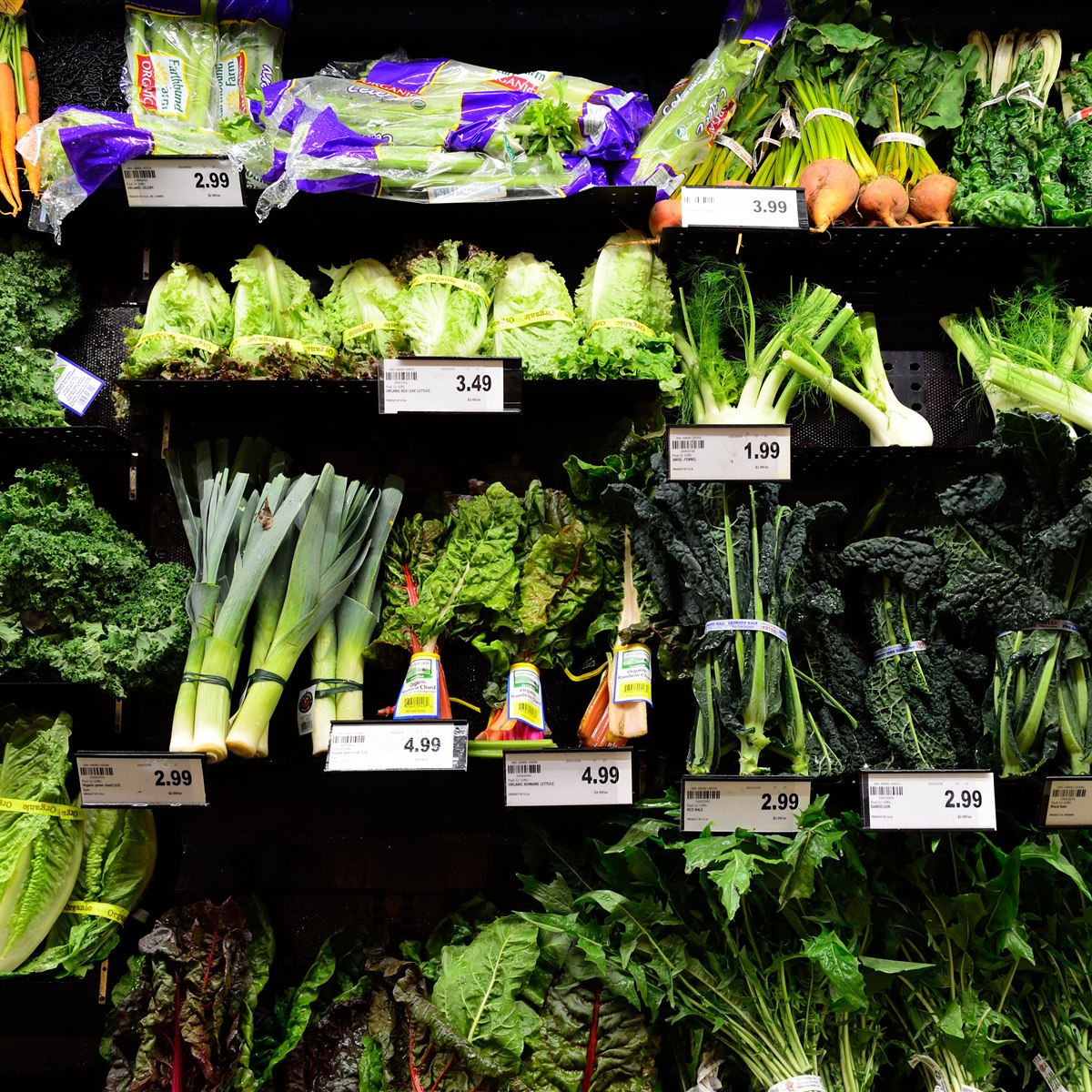
Photo: Raysonho @ Open Grid Scheduler / Grid Engine, Wikimedia Commons, CC0 1.0; central square crop. The photo illustrates a retail display, not the pilot described here.