What was released
On 7 October 2026, Liquid AI released the weights for d1-3B and the experimental d1-omni-600M. The d1-3B model card and weight file are available on Hugging Face. The 3.12-billion-parameter model accepts text, JSON and images. Instead of generating a long answer, it returns a yes/no probability, a choice among named classes, or a scale score in one pass. Its stated context length is 32,768 tokens. This is a narrow tool for typed decisions, not a chatbot or an explanation generator.
Where it may help
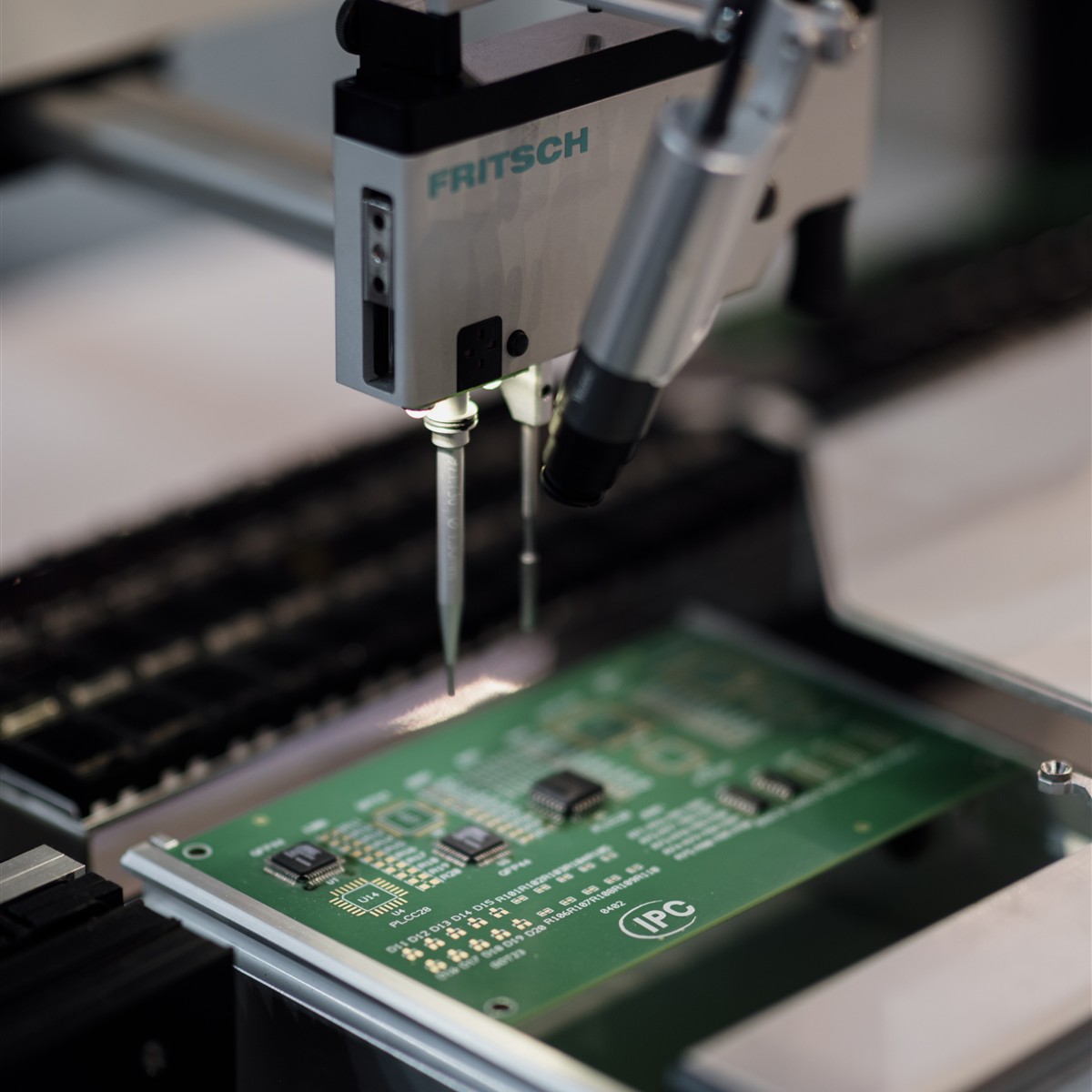
A smaller company could evaluate recurring forks in a workflow: route a request to a department, flag a potentially urgent ticket, check for a visible defect in a photo, or send an uncertain result for human review. Inputs would be an event from a CRM, mailbox or camera and a predefined set of classes. Outputs would include a probability, a threshold and a decision log. Inspecting photographs of circuit boards on a production line is a possible pilot use case, not a documented deployment result for this model.
The actual weight files matter for an on-premise setup: the repository includes roughly 6.25 GB of safetensors weights. Inference memory, loading code and workflow integration are also required. The model card shows a Transformers example using `trust_remote_code=True`; that code should be reviewed and pinned to a specific revision before entering a restricted environment. The developer reports 8 ms on an RTX 4090 for one short question after warm-up. This is its measurement, not a guarantee for your data, camera and queue.
Limitation and next step
The LFM Open License v1.0 permits commercial use when the legal entity's annual revenue is below US$10 million; use above that threshold requires separate terms. Published benchmark results should not be assumed to hold for Russian-language requests or a particular factory without local testing. A practical first step is to label 100–200 typical events, compare decisions with the current routing process, measure false negatives and assign a person to borderline cases. The model should not make irreversible customer or product decisions on its own.
The photograph shows equipment on a circuit-board assembly line as an illustration of a possible production workflow; it does not depict d1-3B running. Photo: Nenad Stojković, CC BY 2.0; square crop. License: https://creativecommons.org/licenses/by/2.0/ .